




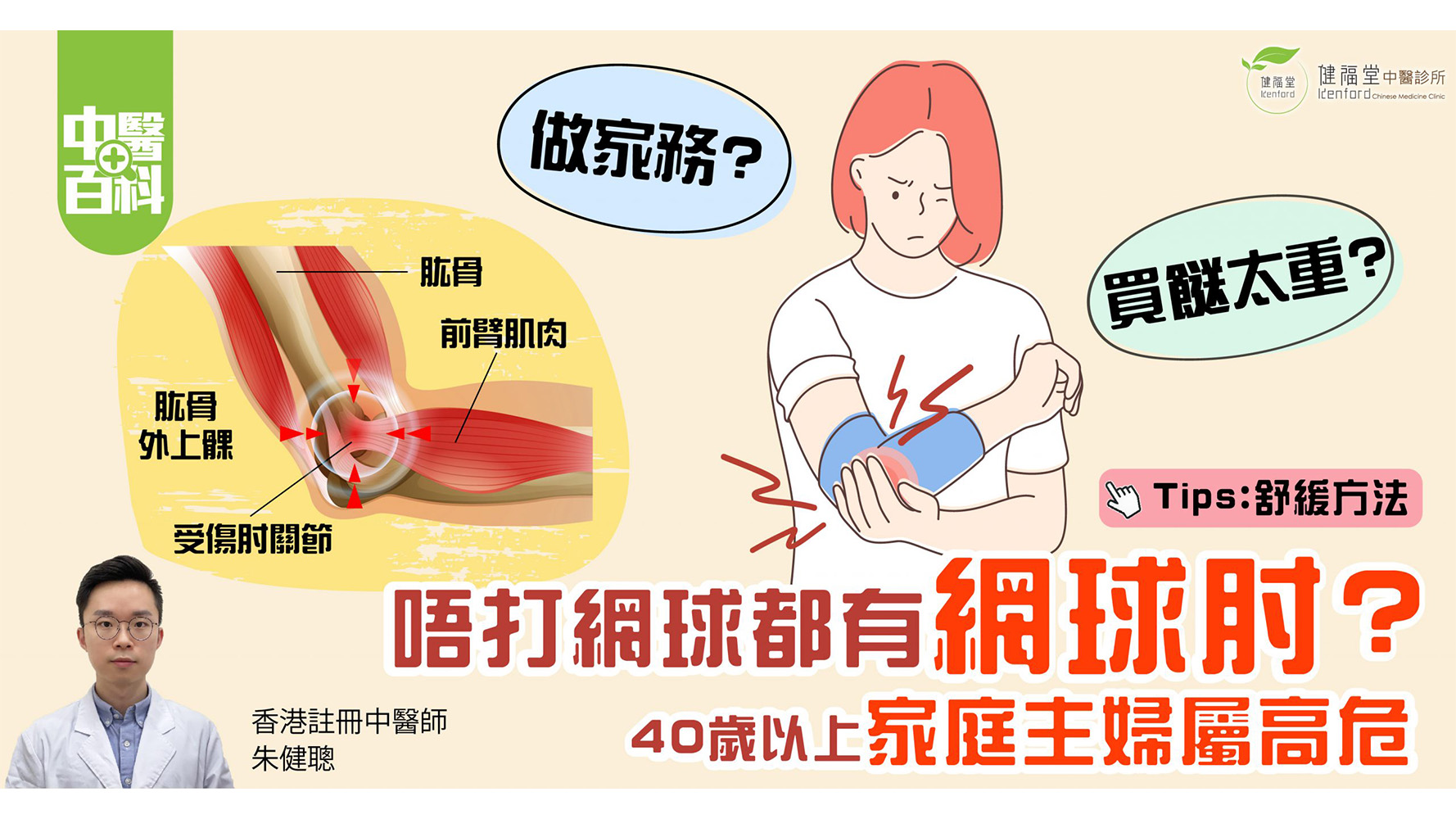
Commonly known as tennis elbow, this condition is medically termed lateral epicondylitis, which occurs when the tendons connecting the forearm muscles to the elbow joint become injured, causing soreness or pain on the outer part of the elbow. It typically affects individuals in their 40s and is generally attributed to three major causes:
1. Overuse of the forearm muscles, as seen in tennis players.
2. Repeated use of heavy or improperly used tools or sports equipment is common among housewives or carpenters.
3. Accidental injuries to the elbow, leading to local tendon inflammation.
Early Symptoms
There may be dull or achy pain on the outside of the elbow that disappears after activity. Over time, however, the pain may persist longer and worsen with daily activities.
Later Symptoms
As the condition progresses, even light hand movements like lifting objects, twisting bottle caps or towels, or writing can trigger pain. The discomfort may radiate to the wrist, shoulder, or neck. In severe cases, pain can occur even while the arm is at rest, with the affected area becoming warmer to the touch.
Treatment Approaches
In Traditional Chinese Medicine (TCM), tennis elbow is known as “Zhou Lao” (elbow strain). It is seen as a result of overuse injuries damaging tendons and meridians, leading to blood stasis or invasion by cold and damp pathogenic factors, which obstruct Qi and blood circulation around the elbow.
As a common ailment, TCM offers multiple treatment options:
– Acupuncture and Tuina (therapeutic massage) are widely used. Based on the patient’s symptoms, specific meridian points—often from the Yangming meridian—are selected (e.g., Quchi, Shousanli, Waiguan, Hegu, Zhongzhu, and Ashi points). These may be combined with cupping and massage techniques to promote circulation. Patients are also advised to do appropriate elbow exercises at home to enhance recovery.
– Herbal therapies are employed both internally and externally. Internal prescriptions may include herbs that activate blood, relieve stasis, and unblock channels, based on individual diagnosis. External applications might involve heated poultices made from ground and decocted herbs like Angelica, Safflower, Clematis, Corydalis, Rhubarb, Radix Angelicae Pubescentis, and Achyranthes.
Lifestyle Adjustments
Patients should modify their routines to support healing and prevent recurrence. This includes adequate rest, avoiding overuse of the elbow, limiting strong gripping or wrist extension, and promoting tendon healing. If pain arises, localized heat therapy can help relieve discomfort. Wearing a tennis elbow brace may also help distribute pressure during gripping or twisting motions.
Dr Chu Kin Chung
Registered Chinese Medicine Practitioner of the Chinese Medicine Council of Hong Kong

