




 02 Sep, 2025
Many diseases in clinical practice can be treated with acupuncture, such as gastrointestinal issues like stomach pain, abdominal pain, insomnia, and headaches; gynecological problems like dysmenorrhea and abnormal uterine bleeding; and musculoskeletal pain including lower back pain, dental pain from temporomandibular joint disorders, cervical spondylosis, and shoulder pain. However, patients often come in with confusion, asking, "Shouldn't I be needled in my shoulder for shoulder pain? Why do I need needles in my legs?" At this point, I explain the underlying causes and mechanisms of their shoulder pain, rather than just needling the area that hurts.
The core of traditional Chinese medicine diagnosis and treatment is based on syndrome differentiation, and acupuncture uses nearby points (near the pain point), distal points, and special points for treatment. Distal point selection can be understood as selecting points according to the syndrome. For instance, lower back pain can have different syndromes such as cold-damp lower back pain, damp-heat lower back pain, kidney deficiency lower back pain, and traumatic or sprained blood stasis lower back pain. If the diagnosis indicates a combination of cold-damp lower back pain and kidney deficiency lower back pain, points such as Guan Yuan, Zu San Li, Yin Ling Quan, and Fu Liu may be chosen, with the effect of dispelling cold and dampness and tonifying kidney qi.

 02 Sep, 2025
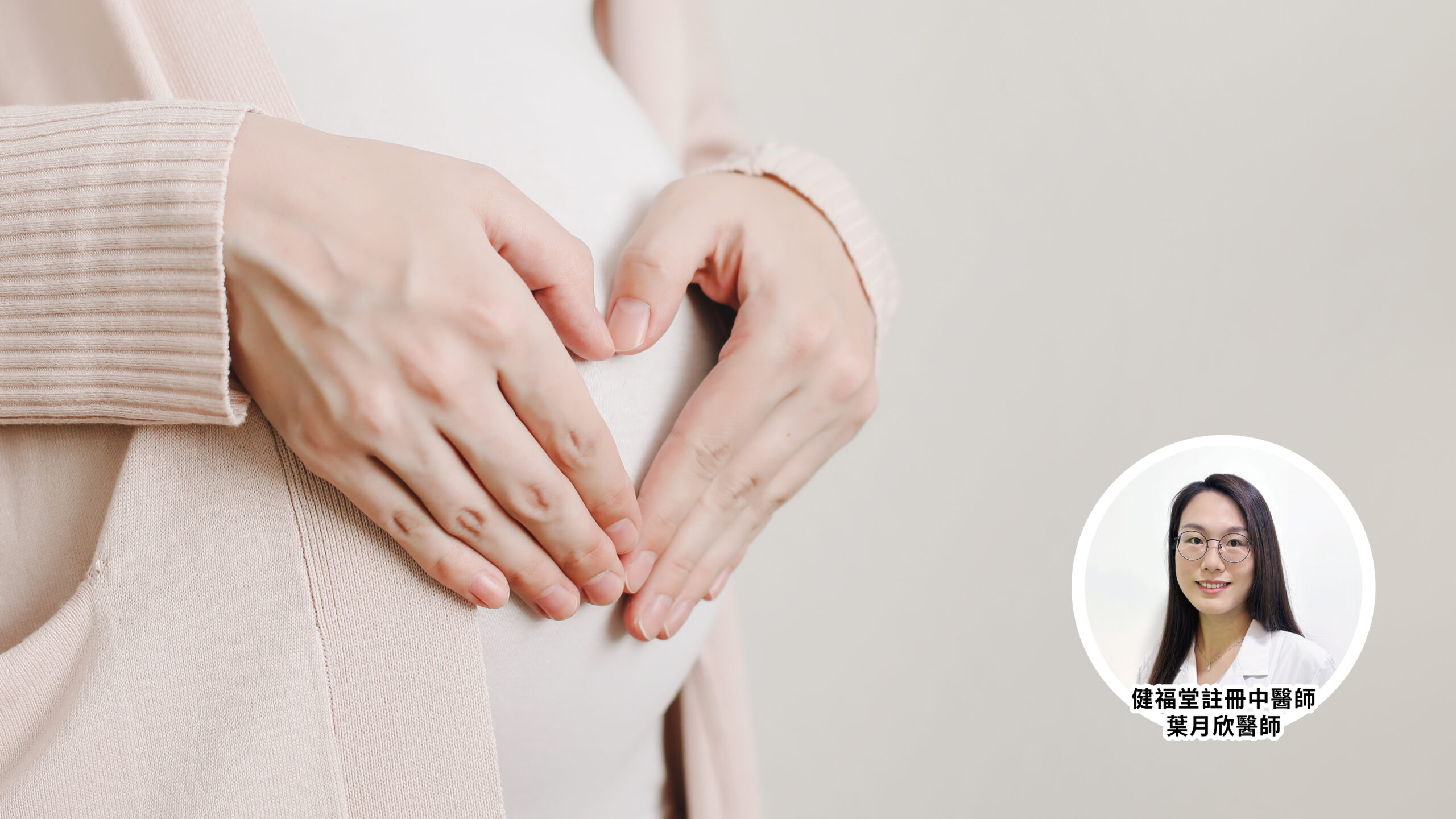
"Creating new life is a sacred and wonderful journey. Traditional Chinese Medicine (TCM) believes that 'the kidneys govern reproduction.' According to TCM's foundational theory, the kidneys are responsible for regulating the secretion of reproductive hormones, adjusting the functions of reproductive organs, and maintaining the health of the reproductive system.
- Nourish the whole body, improve the circulation of qi and blood, especially of the liver, spleen, stomach, and kidneys.
- Secondly, regulate menstruation; normal menstruation represents smooth qi and blood flow. A normal menstrual cycle and ovulation help increase the chances of conception.
- Warm the womb, as 'cold and deficiency of the uterus leads to infertility.' The uterus represents the land; seeds need to fall to the ground and take root to grow, so the land must be fertile. Therefore, a good internal uterine environment is conducive to embryo implantation and development.
- Calm the mind and spirit; anxiety and tension can lead to liver stagnation and hinder pregnancy.
In the process of assisting with conception, TCM can utilize herbal medicine, acupuncture, and moxibustion.
Herbal conditioning:Commonly used herbs include Angelica sinensis, Rehmannia glutinosa, White Peony, Astragalus, and Cuscuta seed, which can replenish qi and blood, regulate menstruation, nourish the endometrial lining, and enhance egg quality.
Acupuncture for pregnancy:By acupuncture at the uterus point, Guan Yuan point, and San Yin Jiao point, enhance uterine blood flow and regulate endocrine functions.
Moxibustion for warming the womb:Moxibustion dispels cold from the uterus, warms yang, and replenishes qi, which can regulate menstrual irregularities.
Dietary therapy soup:
Ingredients: Eucommia 15g, Codonopsis pilosula 15g, Chinese yam 20g, roasted black beans 25g, Goji berries 10g, Rehmannia glutinosa 15g, Ophiopogon 15g, a small amount of lean meat, a small amount of ginger slices. Method: Clean the ingredients, place them in a pot, add an appropriate amount of water to boil, then reduce to a low heat and simmer for 30 minutes, finally adding salt to taste. Effects: Strengthens the spleen and replenishes the kidneys.
Tips for daily health maintenance to increase pregnancy chances
- Regular schedule: Go to bed early and wake up early, nourish the liver and kidneys, maintain endocrine balance.
- Moderate exercise: Jogging, yoga, etc. to enhance physical fitness and immunity, promoting blood circulation.
- Relax your mood: Excessive anxiety and tension can easily lead to endocrine disorders.
- Soak feet in hot water: Warms the womb and dispels cold, promoting blood circulation.
- Diet moderation: Avoid raw and cold foods.
 02 Sep, 2025
Acupuncture, Topical Applications, and Oral Remedies: A Comprehensive Approach
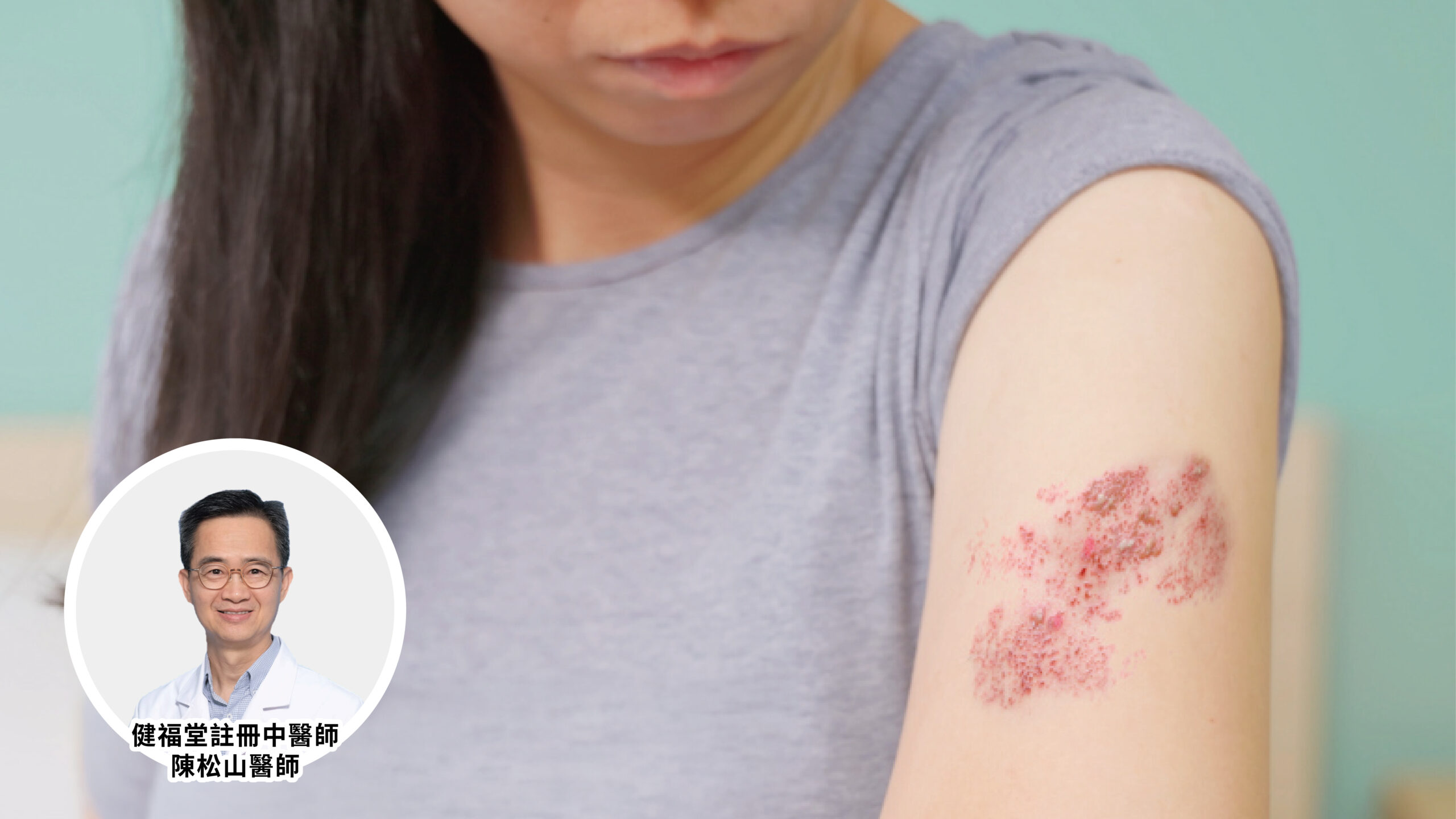
The first 72 hours after the onset of shingles is the critical treatment window, where early combination therapy of Western and traditional Chinese medicine can effectively control the condition. Antiviral medications are most effective within the first 72 hours of onset to prevent the virus from spreading along nerve pathways. TCM treatments are determined based on different patterns, time, and location, mainly classified into three categories: damp-heat obstruction, excessive damp-heat toxicity, and excess heat injuring yin. At the onset of blisters that are itchy and painful, patients may take Long Dan Cao Jie Gan Tang, which includes gentian root, raw rhubarb, dandelion, and earthworm. In later stages, as blisters subside, there may be a chance of postherpetic neuralgia lasting from months to years, affecting the patient's sleep, appetite, and mood. TCM offers various treatment methods that can combine herbal decoctions, topical applications, acupuncture, fire needles, and blood-letting techniques. Acupuncture can help regulate qi and blood, detoxify and clear heat, and promote circulation, with points like Neiguan, Hegu, Yanglingquan, and Zusanli being effective. Additionally, using cooked gypsum, coptis, phellodendron, and menthol ground into a fine powder and mixed with water to form a paste for topical application can relieve pain and reduce inflammation and swelling.
Dr. Chan reminds everyone that shingles is often due to damp-heat obstruction. Maintaining a healthy routine, sleeping early to support liver health, and regulating emotions to avoid liver qi stagnation is essential. A balanced diet that limits cold, spicy, and oily foods is also important to protect the spleen and stomach from damp damage. Consuming fruits and vegetables rich in vitamins and antioxidants, such as blueberries and strawberries, as well as dark green vegetables like spinach and kale, can help enhance immunity.
Recommended Dietary Remedies
Three Bean Licorice Soup Ingredients: 17g each of mung beans, red beans, and black beans; 10g raw licorice Method: Soak the three beans overnight in clean water, add licorice and an appropriate amount of water to a pot, and simmer for about 1 hour until the beans are soft and opened. Benefits: Clears damp-heat, promotes diuresis and reduces swelling, and regulates the body’s constitution.
Acupoint Treatment
- "Taichong Point" is located between the 1st and 2nd metatarsal bones on the foot, which helps to soothe the liver, regulate qi, and calm wind.
-
"Yinlingquan Point" is located on the inner side of the calf, at the depression below the tibia, effective for dispelling dampness and promoting diuresis.
Dr Chan Chung Shan
Registered TCM Practitioner of the Chinese Medicine Council of Hong Kong
 13 Jun, 2025
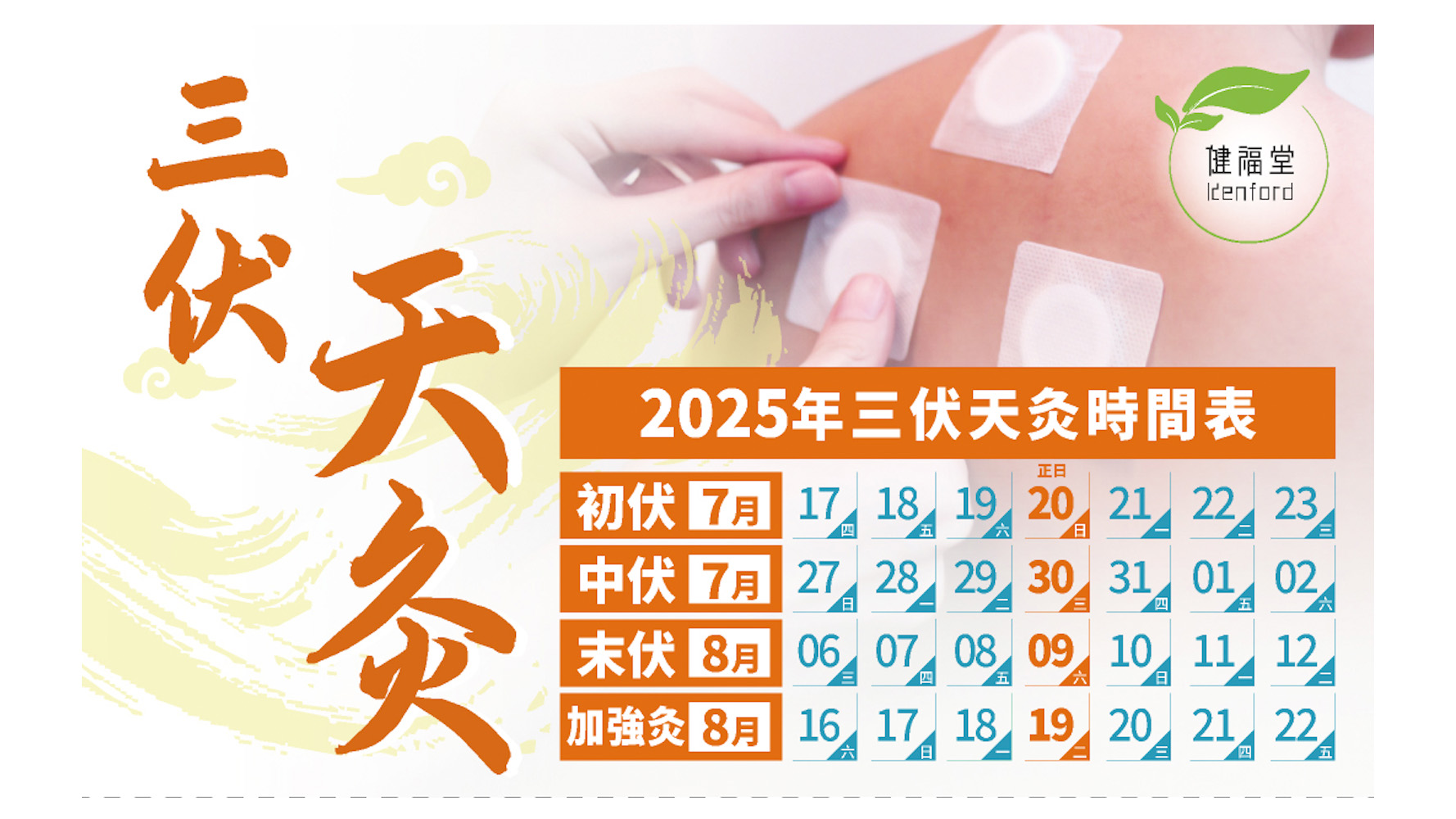
[Winter Disease Treated in Summer: 2025 Sanfu Tianjiu] In recent years, widespread epidemics have made post-recovery health more fragile. Have you found yourself more prone to catching colds, struggling with persistent coughs, or feeling weaker than you did before?
Traditional Chinese Medicine states: “When vital energy is abundant, external pathogens cannot invade.” The stronger your yang energy, the better your immunity. Through Tianjiu Therapy, warm medicinal patches help stimulate meridians, warm internal organs, expel internal cold, and enhance yang energy, preventing cold-induced diseases. This therapy is especially effective for individuals with cold body constitution, post-illness weakness, respiratory diseases, gynecological conditions, and rheumatic joint pain.
Studies have shown that Tianjiu Therapy has significant effects in treating chronic conditions such as:
- Post-COVID/Influenza symptoms - Asthma & bronchial sensitivity - Nasal allergies & chronic rhinitis - Chronic bronchitis - Rheumatism, joint pain & frozen shoulder - Chronic gastritis & frequent diarrhea - Menstrual pain & irregular periods - Cold hands & feet, sensitivity to wind and cold - Susceptibility to recurrent colds
2025 Summer Sanfu Tianjiu Dates: - First phase: July 17–23, 2025 - Second phase: July 27–August 2, 2025 - Third phase: August 6–12, 2025 - Enhancement phase: August 16–22, 2025
Kenford Early Bird Offers: 1. Bring a companion or more to receive a 10% discount on treatment. 2. Register before June 30, 2025, and receive a box of 10-year-aged Chen Pi (worth $35). 3. A licensed Traditional Chinese Medicine practitioner leads the treatment and includes consultation fees. - Three-patch therapy: $500 - Four-patch therapy: $600
For clinic appointment inquiries, visit: [http://bit.ly/kenfordaddress](http://bit.ly/kenfordaddress). For further questions, contact us via WhatsApp or call 5282 8009.
 11 Jun, 2025
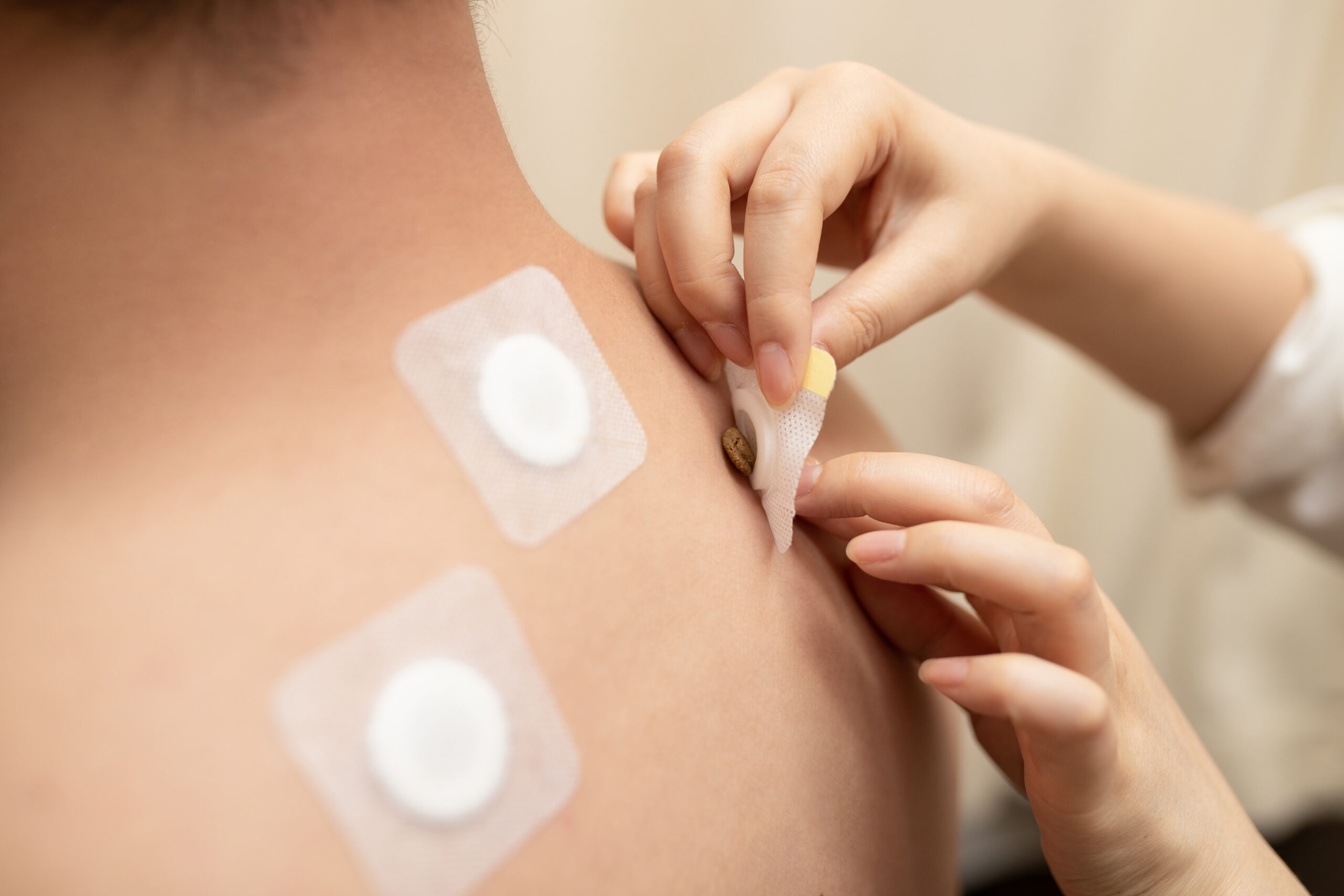
As summer approaches, it's once again time for Tianjiu therapy. In recent years, Tianjiu has grown in popularity as a Traditional Chinese Medicine (TCM) wellness practice. But do people truly understand its meaning and benefits?
Tianjiu involves applying warming herbal pastes to specific acupuncture points, causing local skin redness and stimulation. This promotes meridian warming, cold dispersion, improved circulation, dampness removal, pain relief, and most importantly, reinforces the body's yang energy. It’s rooted in the TCM principles of “treating winter illnesses in summer” and “preventive care before illness arises.”
Why is Tianjiu only performed in winter and summer, and on specific dates?
TCM emphasizes harmony between humans and nature. Treatments are timed with the solar terms to synchronize internal balance. Summer Tianjiu is administered during the hottest days of the year—known as the Sanfu period—which is divided into early, mid, and late phases. Administering warming therapy during this peak heat supports the body’s natural yang energy.
Tianjiu can benefit people of all ages, though the acupuncture points selected vary based on physiological and pathological differences:
- Children: With weaker constitutions and developing organs, they’re prone to infections. According to TCM, they exhibit "three deficiencies and two excesses"—underdeveloped lungs, spleen, and kidneys, but relatively strong heart and liver. Treatments often target the lungs, spleen, and kidneys to address allergies, asthma, frequent colds, or digestive issues.
- Adults and young adults: Due to stress, diet, emotional strain, and overwork, many develop specific imbalances. Point selection is based on individual constitution—deficiencies in qi, yin/yang, blood stagnation, phlegm-dampness, etc.
- Elderly: Organ function gradually weakens, and qi, blood, yin, and yang decline. Points along the Ren and Du meridians are often chosen to regulate overall vitality and circulation.
Common Acupoints Used in Tianjiu
Most points chosen have general health-boosting and restorative properties and are located along the Ren and Du meridians, as well as Back Shu points.
You may have heard the phrase “unblocking the Ren and Du meridians.” These two pathways are considered the "sea of yin" and "sea of yang" in the body, governing the twelve main meridians and maintaining yin-yang balance. Stimulating them enhances circulation and harmonizes the system. In women, the Ren meridian is especially vital for menstrual and reproductive health.
Back Shu points are specific locations on the back where organ energy is reflected, including Heart Shu, Lung Shu, and Kidney Shu. Stimulating these points can help treat related conditions.
Commonly used points include:
- Du Meridian: Dazhui (GV14), Mingmen (GV4), Yaoyangguan (GV3), Yaoshu - Ren Meridian: Guanyuan (CV4), Qihai (CV6), Zhongwan (CV12) - Back Shu Points: Feishu (LU), Xinshu (HT), Pishu (SP), Ganshu (LV), Shenshu (KI) - Leg/Foot Points: Zusanli (ST36), Sanyinjiao (SP6), Yanglingquan (GB34)
Indications
Tianjiu is widely used for chronic conditions, such as fatigue, cold hands and feet, frequent colds, respiratory issues (asthma, nasal allergies), gynecological problems (menstrual pain, irregular cycles), digestive issues (gastritis, poor appetite), and joint pain.
It’s suitable for most people, but the following should consult a physician before treatment: - Pregnant women - Those with diabetes - People with skin allergies - Fever, sore throat, or cold symptoms on treatment day - G6PD deficiency - Menstruating individuals - Children under age 2
Dr Chan Wan Yu
Registered Chinese Medicine Practitioner of the Chinese Medicine Council of Hong Kong
 01 Jun, 2025
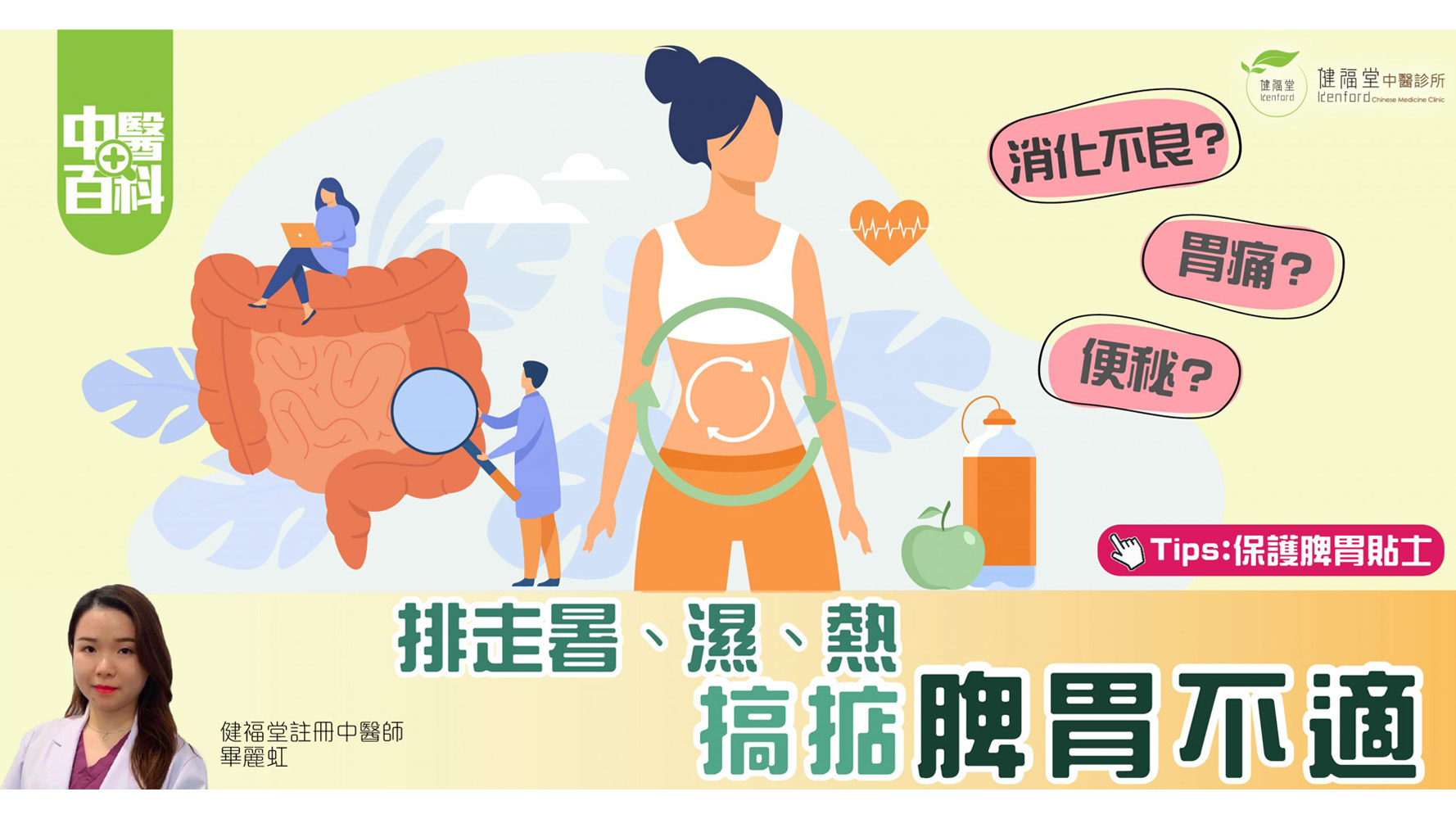
Dr. Bi Lihong Registered Traditional Chinese Medicine Practitioner Chinese Medicine Council of Hong Kong
 11 Feb, 2025

