




Acupuncture, Topical Applications, and Oral Remedies: A Comprehensive Approach
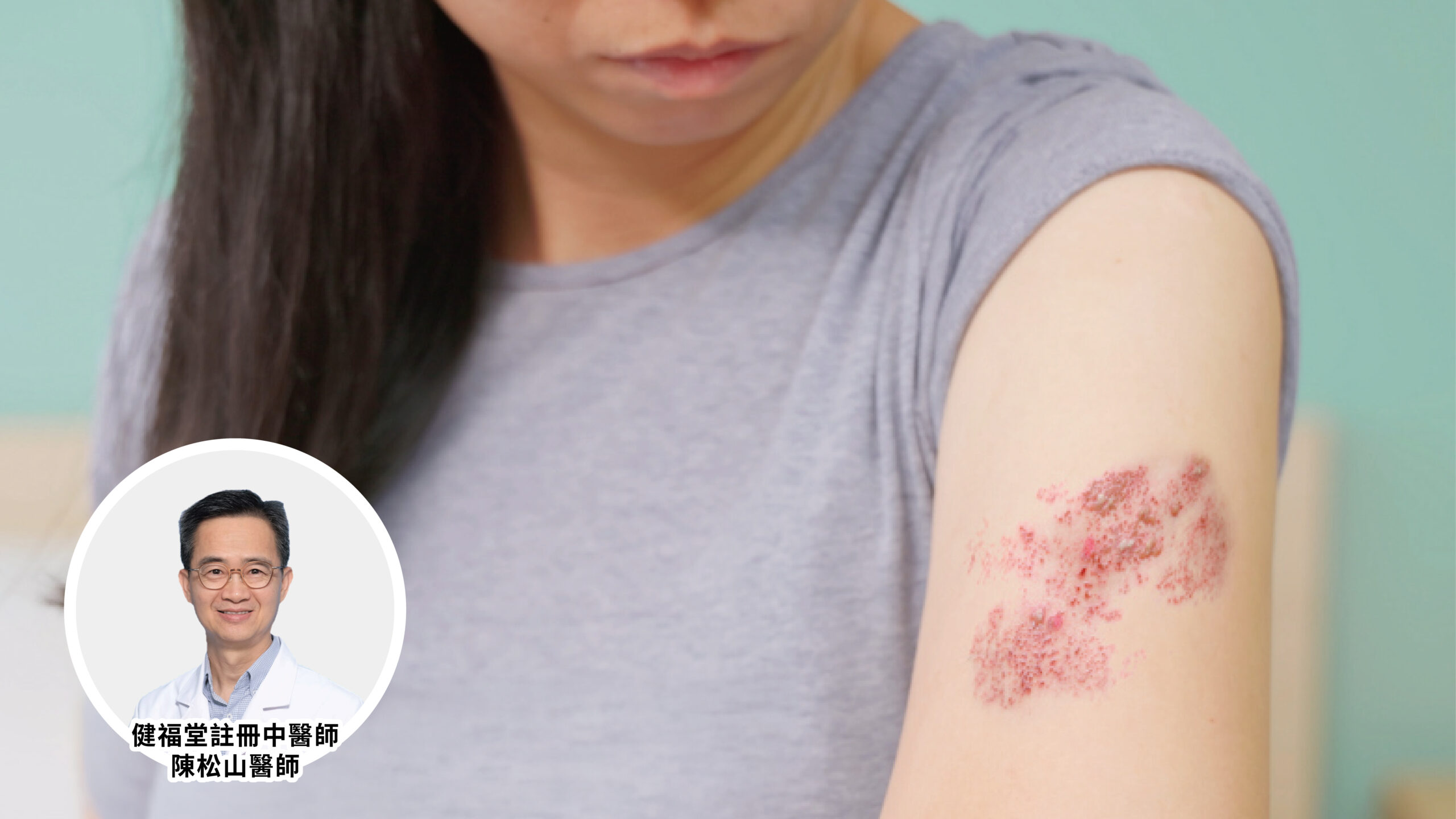
The first 72 hours after the onset of shingles is the critical treatment window, where early combination therapy of Western and traditional Chinese medicine can effectively control the condition. Antiviral medications are most effective within the first 72 hours of onset to prevent the virus from spreading along nerve pathways. TCM treatments are determined based on different patterns, time, and location, mainly classified into three categories: damp-heat obstruction, excessive damp-heat toxicity, and excess heat injuring yin. At the onset of blisters that are itchy and painful, patients may take Long Dan Cao Jie Gan Tang, which includes gentian root, raw rhubarb, dandelion, and earthworm. In later stages, as blisters subside, there may be a chance of postherpetic neuralgia lasting from months to years, affecting the patient’s sleep, appetite, and mood. TCM offers various treatment methods that can combine herbal decoctions, topical applications, acupuncture, fire needles, and blood-letting techniques. Acupuncture can help regulate qi and blood, detoxify and clear heat, and promote circulation, with points like Neiguan, Hegu, Yanglingquan, and Zusanli being effective. Additionally, using cooked gypsum, coptis, phellodendron, and menthol ground into a fine powder and mixed with water to form a paste for topical application can relieve pain and reduce inflammation and swelling.
Dr. Chan reminds everyone that shingles is often due to damp-heat obstruction. Maintaining a healthy routine, sleeping early to support liver health, and regulating emotions to avoid liver qi stagnation is essential. A balanced diet that limits cold, spicy, and oily foods is also important to protect the spleen and stomach from damp damage. Consuming fruits and vegetables rich in vitamins and antioxidants, such as blueberries and strawberries, as well as dark green vegetables like spinach and kale, can help enhance immunity.
Recommended Dietary Remedies
Ingredients: 100g mung beans, 15g job’s tears, 15g honeysuckle
Method: Rinse and soak the mung beans and job’s tears, add adequate water, and simmer on low heat until softened. Then, add honeysuckle (in a cloth bag) and simmer for about 30 minutes.
Benefits: Clears heat, detoxifies, relieves summer heat and dampness, strengthens the spleen and lungs.
Three Bean Licorice Soup
Ingredients: 17g each of mung beans, red beans, and black beans; 10g raw licorice
Method: Soak the three beans overnight in clean water, add licorice and an appropriate amount of water to a pot, and simmer for about 1 hour until the beans are soft and opened.
Benefits: Clears damp-heat, promotes diuresis and reduces swelling, and regulates the body’s constitution.
Acupoint Treatment
- “Taichong Point” is located between the 1st and 2nd metatarsal bones on the foot, which helps to soothe the liver, regulate qi, and calm wind.
-
“Yinlingquan Point” is located on the inner side of the calf, at the depression below the tibia, effective for dispelling dampness and promoting diuresis.
Dr Chan Chung Shan
Registered TCM Practitioner of the Chinese Medicine Council of Hong Kong

